Source light up sword with sound for Cosplay, Holiday Gifts, and Promotion
Find 30 listings for the light up sword with sound suitable for cosplay props, holiday gifts, and promotion. Compare specifications including material, size, and customization options from verified suppliers in China.
Key considerations
Products List

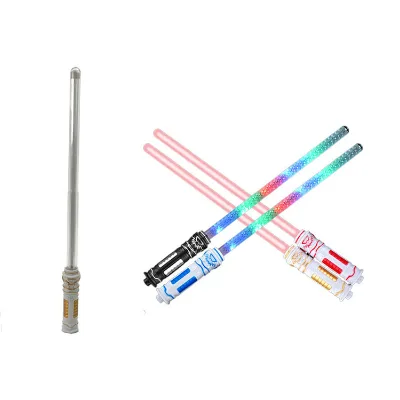
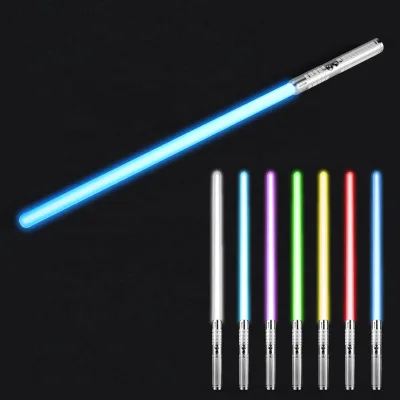


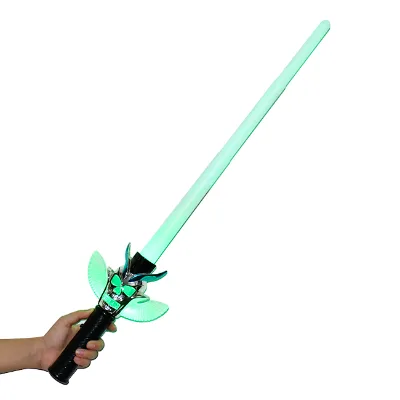
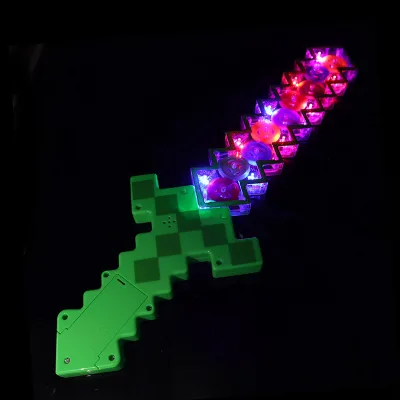

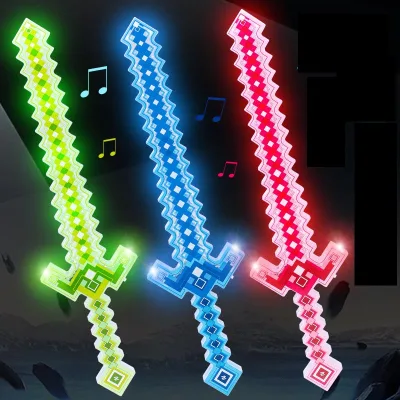
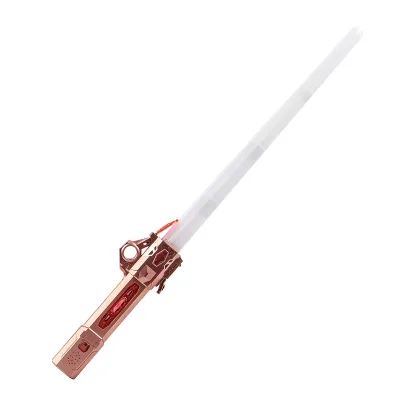

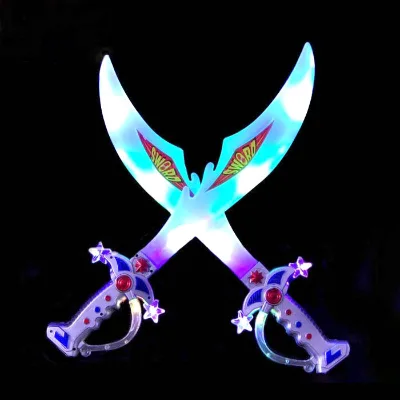


Comprehensive Sourcing Guide
Strategic Sourcing Guide for Light Up Swords with Sound
Procuring electronic novelty items such as light-up swords with sound requires a disciplined approach that balances creative appeal with rigorous safety and compliance verification. The market for these products is diverse, ranging from simple plastic toys for young children to elaborate cosplay props for adult enthusiasts. Buyers must navigate a landscape where product attributes vary significantly between listings, often presenting conflicting data regarding materials, certifications, and intended usage. This guide provides a structured framework for evaluating suppliers and products based on verified facts and industry standards, ensuring that procurement decisions are grounded in evidence rather than marketing assertions.
Technical Specifications and Material Analysis
The technical foundation of a light-up sword with sound lies in the integration of electronic components within a physical structure. When analyzing product data, buyers will encounter distinct variations in material composition. Some listings specify "plastic" as the primary material, which is standard for mass-market toys designed for durability and cost-efficiency. In contrast, other entries may list "Gold" or "Silver" as material attributes, which in this context often refers to the surface finish or plating rather than the structural substrate. Understanding this distinction is critical for assessing the product's weight, durability, and manufacturing complexity.
The physical dimensions and packaging metrics are equally vital for logistics planning. Product sizes can range from compact units measuring approximately 4x4x56 cm to larger models extending up to 76.5 cm in length. These dimensions directly influence the volume of goods per shipping container and the associated freight costs. For instance, specific batch data indicates a carton size of 59x42x76 cm with a gross weight of 23 kg, while other configurations suggest a batch weight of 12 kg for a different model. Buyers must verify the "Product Size" and "Carton Size" for each specific SKU, as these figures dictate the stacking efficiency and palletization strategy.
Furthermore, the electronic functionality is a key differentiator. Descriptions often highlight features such as "Flash sword with light music single outfit flashing" or "led light sword toy." The sound mechanism is typically integrated with the lighting system, creating a synchronized sensory experience. The "Processing" method is frequently noted as "Hand-Made," suggesting a level of artisanal assembly that may impact consistency and labor costs compared to fully automated production lines. Buyers should request detailed technical drawings or samples to confirm the placement of batteries, switches, and speakers, as these internal layouts affect the product's longevity and safety.
Compliance and Certification Verification
Safety compliance is the most critical factor when sourcing light-up swords, particularly those marketed for children. The product data indicates that certain models carry certifications such as "EN71," "7P," "ENASTM," "CE," and "ASTM." These standards are not merely marketing labels but represent adherence to specific regional safety regulations. EN71 is the European standard for toy safety, covering mechanical, physical, chemical, and flammability requirements. Similarly, ASTM and ENASTM refer to American Society for Testing and Materials standards, which are mandatory for toys sold in the United States.
However, buyers must exercise caution when interpreting certification claims. The provided data shows conflicting information, with some listings specifying "EN71,7P" while others list "ENASTM,CE." It is essential to verify that the specific model number, such as "SP750B059B" or "PY266710/PY266711," is covered by the valid certificate. A supplier may possess a certificate for one product line but not for another. Furthermore, the "Age Range" provided in the data spans from "0 to 24 Months" up to "14 Years & up." Products intended for the 0-24 month age group require the most stringent testing, particularly regarding small parts and battery safety.
Buyers should not rely solely on the supplier's assertion of compliance. Instead, they must request the actual test reports from accredited laboratories. These reports should explicitly list the test methods used and the specific product models covered. If a supplier claims "OEM/ODM: Welcome," they must demonstrate that the customized product will still meet the original certification standards. The presence of a "Certificate" field in the product data is a positive indicator, but it is not a guarantee of current validity. Buyers should verify the expiration date of the certificates and ensure they align with the current regulatory requirements of the destination market.
Cost Drivers and Pricing Dynamics
The pricing of light-up swords with sound is influenced by a complex interplay of factors, including material costs, electronic complexity, and customization levels. The observed price range in the market spans from $0.50 to $49.90 USD. This wide variance reflects the difference between basic plastic toys and more elaborate, high-fidelity props. The lower end of the spectrum typically corresponds to simple plastic models with basic LED and sound functions, often produced in high volumes. The higher end may involve more durable materials, advanced sound effects, or intricate designs suitable for cosplay.
Customization is a significant cost driver. The data indicates that "Customization: Available" and "Logo Custom: Accept" are common features. However, other listings specify "Customized: Non-Customized." This dichotomy suggests that some suppliers offer off-the-shelf products while others provide bespoke services. Customization, such as adding a "Full Color" logo print or a "Logo Sticker," incurs additional setup and production costs. Buyers must clarify whether the quoted price includes the cost of mold creation, printing plates, or software development for custom sound effects.
Minimum Order Quantity (MOQ) also plays a pivotal role in the unit cost. The observed MOQ range is 1 to 2000 units. Some suppliers offer an MOQ of 10 cartons, which equates to 2880 pieces based on a specific batch quantity of 288 per carton. Others may list selling units as a "Single Item" or a "Multiple of 144." Higher order volumes generally result in lower per-unit costs due to economies of scale in production and shipping. Buyers should calculate the total landed cost, including freight, duties, and insurance, rather than focusing solely on the unit price. The "Gross Weight" and "Net Weight" data provided for different batches must be used to accurately estimate shipping expenses.
Typical Applications and Market Segmentation
Light-up swords with sound serve a variety of applications, catering to distinct market segments. The product data lists "Usage" categories including "Personal Decorations," "Promotion Gifts," "Souvenirs," "Commerce Gift," and "Collection." These applications dictate the design requirements and quality expectations. For example, "Promotion Gifts" and "Souvenirs" often prioritize cost-effectiveness and visual impact over long-term durability. In contrast, "Collection" items and "Cosplay Props" require higher fidelity in design and sound quality to meet enthusiast expectations.
The "Applicable to" field highlights "Cosplay Props/Holiday Gifts" as a primary use case. This segment demands products that can withstand active use and provide an immersive experience. The "Style" attribute, described as "European & American" or "Cartoon Toy," further segments the market. European and American styles often feature more realistic or fantasy-inspired designs, while cartoon toys target younger audiences with bright colors and simplified shapes. The "Gender" is listed as "Unisex," indicating that these products are generally suitable for all users, though marketing strategies may vary based on the specific design.
Age appropriateness is another critical segmentation factor. The data specifies age ranges from "0 to 24 Months" to "14 Years & up." Products for toddlers must adhere to strict safety standards regarding choking hazards and battery safety. For older children and adults, the focus shifts to design complexity and functionality. The "Type" of product, such as "Folding" or "Decoration," also influences its application. Folding swords are particularly useful for cosplay due to their portability, while decorative swords are intended for static display. Buyers should align their procurement strategy with the specific needs of their target demographic.
Supplier Evaluation and Operational Capabilities
Evaluating suppliers requires a thorough assessment of their operational capabilities and production transparency. The product data indicates origins in "Zhejiang, China" and "Guangdong, China," two major manufacturing hubs known for their expertise in toys and electronics. However, the presence of multiple origin locations for similar products suggests a complex supply chain. Buyers should verify the actual manufacturing facility and ensure that the supplier has direct control over the production process, especially for items requiring "Hand-Made" processing.
The "OEM/ODM: Welcome" status indicates that the supplier is capable of custom manufacturing. This capability is essential for buyers seeking unique products or private labeling. However, buyers must assess the supplier's capacity to handle custom orders without compromising quality or lead times. The "Packing Details" and "Product Packing" information, such as "Export Standard Packing" and "OPP BAG," provide insight into the supplier's attention to detail. Consistent packaging is crucial for protecting the product during transit and ensuring a professional presentation upon arrival.
Suppliers should also demonstrate a commitment to quality control. The "Certificate" and "Certification" data suggest that the supplier is aware of regulatory requirements, but buyers must verify the implementation of quality control measures throughout the production process. This includes in-line inspections, pre-shipment testing, and final quality audits. The "Standard" of "5PCS/CTN" or "QTY/CTN: 288" indicates the packing density, which can affect the efficiency of the packing process and the risk of damage during handling. Buyers should request a quality control plan that outlines these procedures.
Quality Control and Long-Term Procurement Strategy
Establishing a robust quality control protocol is essential for mitigating risks associated with electronic toys. Given the potential for battery leakage, electrical shorts, and mechanical failure, buyers should implement a comprehensive testing regimen. This includes functional testing of the light and sound mechanisms, durability testing for the physical structure, and safety testing for materials and components. The "Gross Weight" and "Net Weight" discrepancies between different batches can indicate variations in material usage or packaging density, which may affect product quality.
Long-term procurement strategies should focus on building a sustainable relationship with reliable suppliers. This involves regular performance reviews, feedback loops, and continuous improvement initiatives. Buyers should monitor the supplier's ability to maintain consistent quality over time, especially when scaling up production volumes. The "Customization" and "Logo Print" capabilities should be evaluated for their consistency and durability. A supplier that can deliver high-quality customized products consistently is a valuable partner for long-term growth.
In conclusion, sourcing light-up swords with sound requires a meticulous approach that balances technical specifications, compliance, cost, and supplier capabilities. By leveraging verified data and industry knowledge, buyers can make informed decisions that ensure product safety, quality, and market success. The complexity of the market demands a proactive stance on verification and quality assurance, ensuring that the final products meet the expectations of both regulators and consumers.
FAQs
What certifications are available for light up sword with sound toys?
Available certifications include EN71, 7P, ENASTM, CE, and ASTM for specific models. Buyers must verify that the test reports cover the exact model number and intended age range, especially for children under 24 months.
How can I customize the logo on a light up sword with sound?
Logo customization is available with options for full color print or logo stickers. Some listings accept custom logos while others offer non-customized stock items, so confirm the specific customization policy before ordering.
What is the minimum order quantity for light up sword with sound products?
The minimum order quantity ranges from 1 unit to 2000 units depending on the supplier. Some batches require 10 cartons totaling 2880 pieces, while others allow single item purchases or multiples of 144 units.
Which materials are used to make light up sword with sound toys?
Primary materials include plastic for durability and cost-efficiency, with surface finishes described as gold or silver. The structural substrate is typically plastic, while decorative elements may use plating or specific coloring techniques.
Can I source light up sword with sound products from China?
Yes, products originate from manufacturing hubs in Zhejiang and Guangdong, China. Buyers should verify the specific factory location and production capabilities, as some items are hand-made while others may use automated processes.
What are the packaging dimensions for a batch of light up sword with sound?
Batch packaging varies, with carton sizes like 59x42x76 cm or 62x45x41 cm holding different quantities. One configuration holds 288 pieces per carton with a gross weight of 23 kg, while others list 12 kg per batch.
How does the price range vary for light up sword with sound items?
Prices range from 0.50 to 49.90 USD based on complexity and material quality. Lower costs typically reflect basic plastic models, while higher prices cover elaborate designs, advanced sound features, or customization services.